Paapyakshma Devta
पापयक्ष्मा
Associated with the accumulation of deep mental stress, hidden diseases, and psychological decay, this complex perimeter energy field serves as a crucial transit node that must be balanced to prevent addiction, chronic illness, and a breakdown of emotional stability within the property.
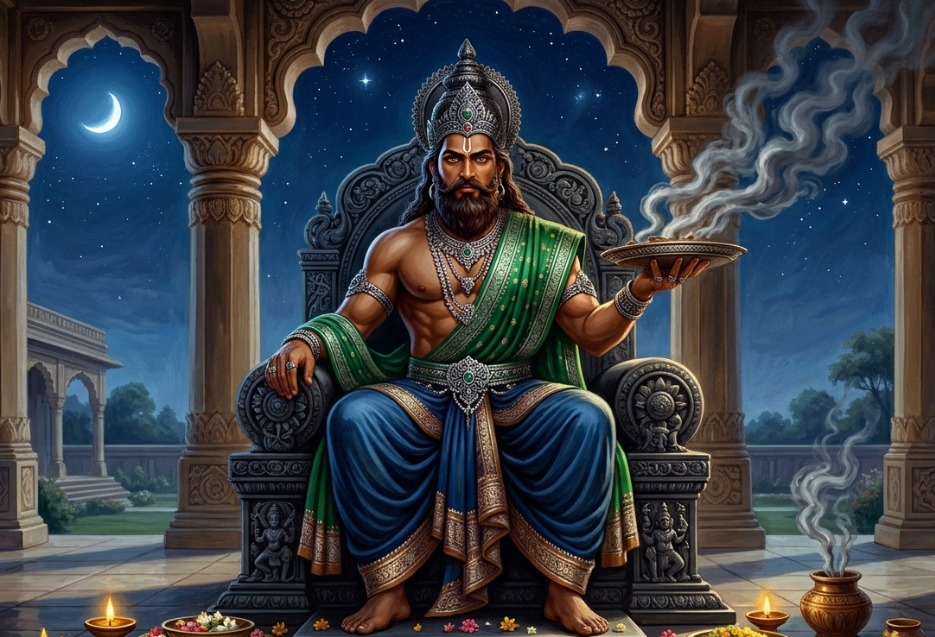
Paapyakshma is the Vedic devta associated with decay, hidden psychological tension, bad habits, and chronic physical blockages. Positioned right on the absolute transition corner of the Vayavya Kon, this energy field regulates how effectively residents process suppressed frustration, prevent deep-seated mental anxieties from turning into physical ailments, and avoid toxic lifestyle loops.
Pada in Vastu Purush Mandal
Paapyakshma resides as the eighth and final energy field (pada) along the Pashchim disha. He sits directly next to Sosha (the 7th pada / W7) and serves as the absolute boundary corner stone that transitions the structure's energy grid directly into the Vayavya Kon (ruled by Roga).
What does this Pada do
Paapyakshma acts as a cosmic stress valve; when properly balanced, it helps clear away subconscious guilt, toxic habits, and lingering deep-seated stress before they manifest as chronic physical illnesses or a decay of overall life force.
Probable Signs of an Imbalance
If this Pada is blocked or disturbed by heavy unmanaged storage, direct underground water features, or toxic entry alignments, the following issues often manifest in the household:
Chronic Illness and Lethargy: Family members face sudden, unexplainable physical exhaustion, long-term health decline, or suffer from lingering illnesses that mock standard medical diagnostics.
Addictive and Self-Destructive Loops: The occupants become highly vulnerable to continuous self-pity, substance abuse, deep paranoias, or toxic, isolating habits that gradually decay their social and professional standing.
Balancing and Optimization
To maintain an optimal, non-destructive flow of Paapyakshma's complex energy, this W8 corner boundary line must be precisely managed:
Keep it Light and Free of Stagnation: This zone must remain crisp, light, and beautifully organized. Avoid compiling broken machinery, expired medication, or heavy scrap iron piles here, as they rapidly accelerate mental decay.
Avoid Fluid Overlaps: Refrain from placing open, stagnant water storage or unmanaged damp elements directly on this grid line, as moisture mixed with this transition point worsens chronic health issues.
Harmonize with Air Element Accents: Utilize shades of soft matte white, light cream, or clean space grey in this pada. Ensure excellent air circulation and warm lighting to naturally dissolve the heavy, dark properties of this quadrant.
Naam Mantra
ॐ भूर्भुवः स्वः पापयक्ष्मणे नमः॥
Naivedya (Offerings)
Black mustard seeds (राई), Sesame oil preparations (तिल पकवान) and Bitter herbs or Neem (निम्ब)
Modern Vastu Pada and Degrees
W8
Angular Degree from Centre: 303.75° to 315.0°