Ashwini Nakshatra
अश्विनी नक्षत्र
Ashwini is the first Nakshatra in Vedic astrology, symbolized by the horse and governed by swift, healing energy. Discover its core astrological attributes, four padas, and practical suitability for property purchases, land excavation, Bhoomi Pujan, renovations, and Griha Pravesh from a Vastu perspective
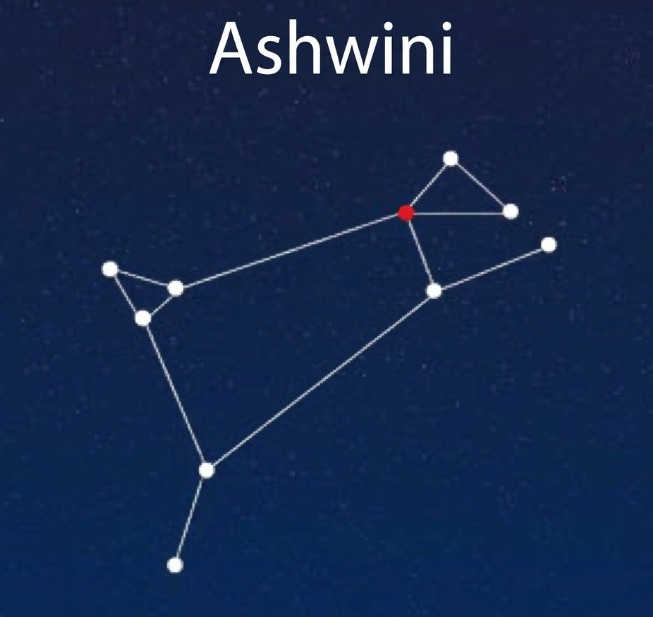
Ashwini derives its name from Ashwa, meaning horse. It is the first Nakshatra in the 27-Nakshatra sequence and marks the beginning of the zodiacal cycle.
The horse symbolises speed, vitality, movement and the ability to initiate action. Consequently, Ashwini is traditionally associated with new beginnings, prompt action, healing and restoration.
Nakshatra | |
Nakshatra (Constellation) | Ashwini |
Nakshatra Grah (Planet) | Ketu |
Symbol | Horse’s head |
No | |
Yes | |
Nadi | Aadya |
Yoni | Ashwa (Horse) |
Gana | Dev |
Aaradhya-Vriksh | Kuchla |
Daan | Anna |
Devta | Ashwinikumar |
Tiryakmukha Nakshatra (Horizontal / Forward-Facing) | |
Manda Lochan (Dim-Eyed Nakshatra) | |
Prithvi (Earth) | |
Kshipra / Laghu (Swift & Light) | |
Core traits | Independent, courageous, swift, energetic, impulsive, and naturally inclined toward healing, innovation, and starting fresh ventures |
Nakshatra Rashi | |
Rashi | Mesh (Aries) |
Degree | 00°00′ – 13°20′ in Aries |
Rashi Grah (Planet) | Mangal (Mars) |
Rashi Varna | Kshatriya |
Rashi Vashya | Chatushpad |
Rashi Tatva | Agni (Fire) |
Nakshatra Padas | ||||
Details | First Pada | Second Pada | Third Pada | Fourth Pada |
Pada Rashi | Mesh (Aries) | Vrishab (Taurus) | Mithun (Gemini) | Kark (Cancer) |
Degrees | 00°00' to 03°20' | 03°20' to 06°40' | 06°40' to 10°00' | 10°00' to 13°20' |
Pada Planet | Mangal (Mars) | Shukra (Venus) | Budh (Mercury) | Chandra (Moon) |
Letter (English) | Chu | Che | Cho | Laa |
Letter (Hindi) | चू | चे | चो | ला |
Traits | Driven, pioneering, action-oriented, and high-energy | Focused on material comfort, luxury, resources, and stability | Sharp intellect, quick wit, communication skills, and research aptitude | Empathetic, nurturing, sensitive, and protective of family or community |
Property and Vastu Suitability under Ashwini Nakshatra
Commercial & Investment Purchase (Favorable): Promotes rapid transactions, active growth, and strong business momentum.
Land Leveling & Excavation (Favorable): Supported by Prithvi (Earth) Tatva and Tiryak Mukh (horizontal orientation), making it ideal for clearing and preparing land.
Renovation & Vastu Rectification (Highly Favorable): Aligns directly with the healing, restorative energy of the Ashwini Kumaras to fix structural or energetic flaws.
Residential Bhoomi Pujan (Conditional): Useful when fast, uninterrupted construction progress is desired, provided the sensitive 1st Pada (Gand Mool junction) is avoided.
Residential Griha Pravesh (Not Recommended): Its Kshipra (swift) energy brings movement rather than the stillness and permanence required for a family home.
In essence, Ashwini Nakshatra is best harnessed in Vastu for initiating momentum, clearing ground, and restoring vitality to a space rather than anchoring long-term domestic stillness